Carrot Tops, Stems and Peels: A Raw Cook's Guide to Wasting Less
Carrot greens, broccoli stems, chard ribs and juicer pulp are good food hiding in the compost bin. Practical ways to turn raw kitchen trimmings into pestos, pickles, crackers and seasonings.
 Arjun Mehta
Food Photographer & Stylist
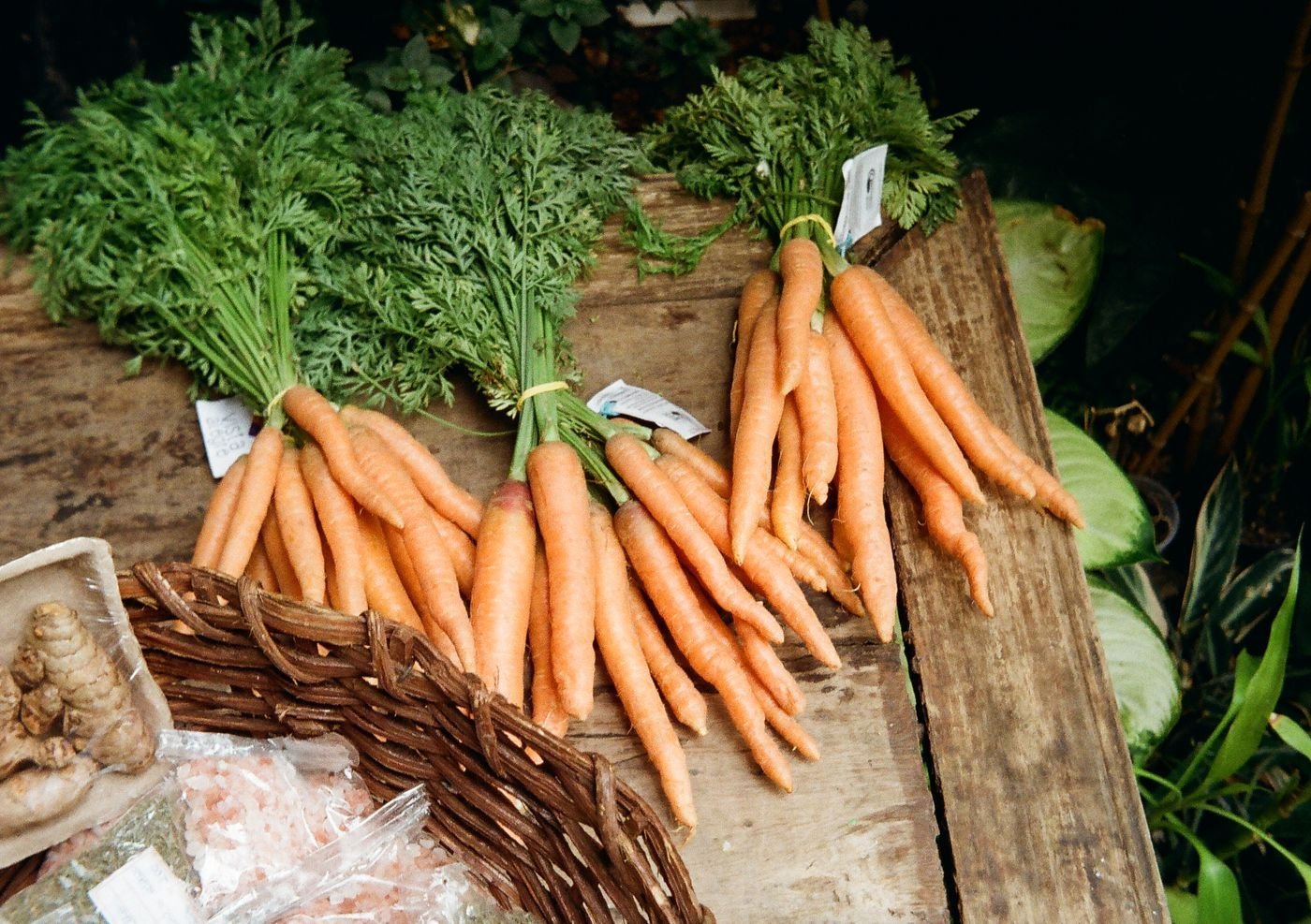
When I buy carrots, I buy them with the tops on. The feathery greens are how I judge freshness, and for a long time that was all they were for. I would twist them off at the sink and drop them straight into the compost. One day I looked at the pile, roughly half the volume of what I had just carried home, and decided to figure out what else to do with it.
Raw kitchens generate a lot of trimmings. We peel, we core, we strip leaves from stems. Some of that truly belongs in the compost, but a surprising amount is good food that just needs a different approach.
Carrot Tops Are an Herb
Think of carrot greens as a cousin of parsley, because botanically they are. They have a grassy, slightly bitter flavor that works best balanced with lemon, garlic and something rich.
- Strip the tender leaves from the thicker stems, which can be tough
- Wash them in a big bowl of water, since sand hides in the fronds
- Spin dry and use within two to three days
My favorite use is carrot top pesto: a big handful of leaves, a smaller handful of basil or parsley, soaked sunflower or pumpkin seeds, lemon juice, garlic, olive oil and salt. Blend until coarse. It is bright, green and costs nothing extra. Finely chopped carrot tops also work in tabbouleh-style salads and chimichurri.
Stems Deserve Their Own Recipes
Broccoli stems, chard stems, kale ribs and herb stems often go straight to the bin. Each one has a use.
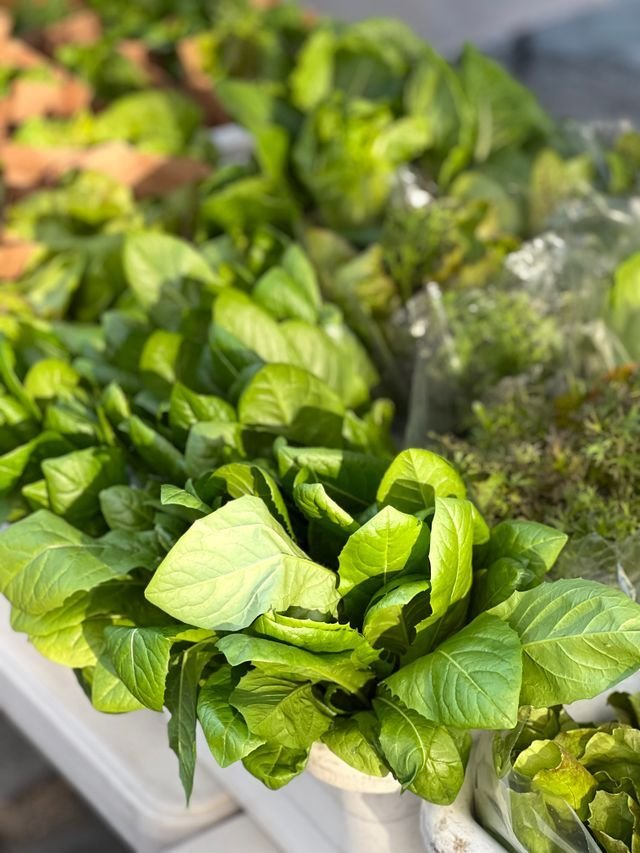
Broccoli stems are sweeter than the florets. Peel off the fibrous outer layer and cut the pale core into matchsticks for slaws or thin coins for snacking.
Chard stems are crisp and colorful. Slice them thinly on a bias and quick-pickle them in apple cider vinegar, water, a little salt and a pinch of coconut sugar. They are ready in a few hours and keep for a week in the fridge.
Kale ribs are the toughest. Slice them as finely as possible and add a small amount to green juice, or blend them into a thick dressing where their texture disappears.
Soft herb stems from parsley, cilantro and dill carry plenty of flavor. Blend them straight into sauces and dressings instead of picking off every leaf.
Peels and Scraps
Many vegetables do not need peeling at all for raw use if they are well scrubbed. Young carrots, cucumbers, zucchini and small beets are fine with their skins on. When you do peel, consider saving the scraps:
- Carrot and beet peels can be dehydrated at 115F until crisp, then ground into a colorful seasoning powder
- Citrus zest should come off before juicing, and it keeps well in a small jar in the freezer
- Strawberry tops and pineapple skin can steep in a pitcher of water in the fridge overnight
- Cucumber ends and mint stems go into the same pitcher
The Pulp Question
If you juice or make nut milk, you already know how much pulp piles up. Almond pulp can be dehydrated into flour for crackers and cookies. Vegetable juice pulp can be mixed with ground flax, herbs and seasoning, spread thin and dehydrated into savory crackers. Fruit pulp blended with a little whole fruit makes a good base for fruit leather.
The key is to deal with pulp the same day. Wet pulp spoils quickly. If you cannot dehydrate it right away, freeze it flat in a bag and come back to it on the weekend.
Storage Habits That Prevent Waste
Most of the waste in my kitchen never came from trimmings at all. It came from produce that got forgotten and went soft. A few habits have made a real difference:
- Cut tops off roots the day you buy them, and store both separately
- Keep a clear container at eye level in the fridge for things to eat first
- Wrap greens in a slightly damp towel before storing
- Revive limp carrots and celery in ice water for 30 minutes
- Before shopping, open the fridge and plan meals around what is already there
You do not need to use every scrap starting tomorrow. Pick one habit. Maybe it is carrot top pesto this week and pickled chard stems next week. Over a month or two, you will notice the compost bin filling more slowly and your meals getting more interesting. The carrots on my counter today will be eaten from root to frond, and that feels good every single time.